Three skills, not one performance
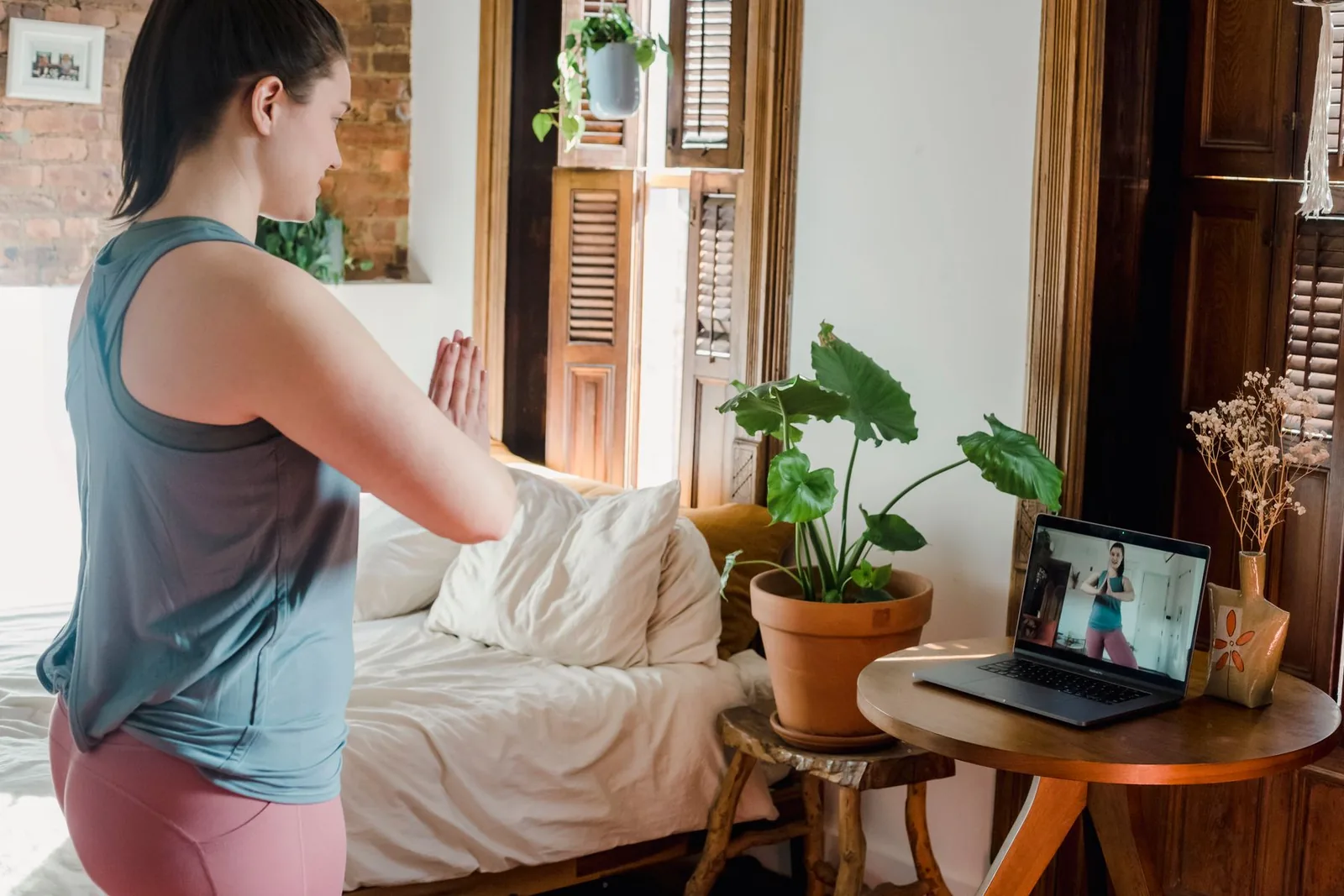
Yoga may combine physical postures, breathing and focused attention. Mindfulness can be practiced within movement or separately. Together they offer several entry points: sensation for people who dislike stillness, breath for people who want a rhythm, and observation for people exploring attention.
No pose is a measure of character. Props, chairs, shorter ranges of motion and rest are legitimate parts of practice.
Choose an accessible starting point
Begin with five to ten minutes and movements that feel stable. If you have an injury, chronic condition, pregnancy or dizziness, seek appropriate medical or qualified movement guidance. Pain, numbness and loss of balance are reasons to stop.
Finish while you still feel capable of returning tomorrow. Sustainable practice is built through tolerable repetition.
- Notice what changes before, during and after the situation.
- Choose a response small enough to use under pressure.
- Review whether the response increased safety, clarity or connection.
Use breath without force
Let breathing remain comfortable. A slightly longer exhale may feel settling, but breath-holding or rapid techniques can cause dizziness or anxiety. Return to normal breathing immediately if uncomfortable.
People with panic or trauma symptoms may prefer to focus on sound, contact with the floor or visible objects.
Notice effects honestly
After practice, ask what changed: tension, energy, clarity, agitation or nothing. Neutral observation helps you tailor the practice without chasing a promised feeling.
Some days movement may energise; other days rest is the more skilful choice. Flexibility in the plan is a sign of awareness, not failure.
Keep claims proportionate
Research suggests yoga and mindfulness may support some aspects of stress and wellbeing, but evidence varies by condition and practice. They should not be presented as cures or replacements for indicated care.
If symptoms are severe, persistent or worsening, seek qualified assessment and include any practices in a broader care plan.
A practical way to work with mindfulness & yoga
Choose one situation in which this topic is already visible and write a neutral description of what happens before, during and afterward. Include context such as sleep, workload, physical symptoms, relationship dynamics and available support. This is not a diagnostic exercise. It is a way to replace a global judgment with information that can guide a proportionate next step.
Use the article’s central ideas as options rather than rules: Adapt the practice to your body and health. Small consistent sessions often work better than ambitious bursts. Yoga and mindfulness can support wellbeing but do not cure mental illness. Adapt the smallest relevant idea to your capacity, culture, health and responsibilities. Decide what benefit you are looking for and what sign would tell you to stop, change course or ask for qualified help.
After trying the step, review its immediate and delayed effects. Did it create clarity, safety, connection or recovery? Did it merely distract you, increase pressure or move the cost into tomorrow? Honest review protects you from repeating a fashionable strategy that does not fit your actual need.
A seven-day observation—not a seven-day transformation
For one week, record a single sentence when the pattern appears. Note the situation, the strongest feeling or body signal, what you did and what happened next. Keep the record brief enough that it does not become constant self-monitoring. The purpose is to see repetition, not to produce a perfect diary.
At the end of the week, look for one source of strain, one existing strength and one point of leverage. Your strength may be that you paused, told the truth, noticed a symptom earlier or contacted support. The leverage point should be specific enough to schedule or discuss.
If the notes show worsening symptoms, impaired functioning, fear, coercion, urgent medical signs or coping that creates harm, move beyond self-guided experimentation. Bring the observations to a relevant qualified professional or use local emergency support when risk is immediate.
Questions that make support more useful
If you discuss this subject with a doctor, therapist or another qualified professional, bring a concise description of frequency, intensity, duration and impact. Ask what possibilities they are considering, what would change the assessment and which options fit your health and circumstances. A useful consultation should make uncertainty clearer rather than covering it with certainty.
Ask about benefits, limitations, risks, alternatives and the expected review point. For relationship or emotional concerns, you can also ask how confidentiality works, what training the practitioner has in mindfulness & yoga and how they respond when safety or coercion is involved.
You are allowed to take notes, request plain language and seek another qualified opinion. Professional help should support informed choice. It should not rely on invented urgency, guaranteed outcomes, shame or the claim that one lifestyle practice can replace all other care.
Common mistakes and gentler alternatives
The first mistake is making the plan too large. When a strategy requires ideal energy, privacy and time, it disappears exactly when pressure rises. Reduce it to one observable action and attach it to a reliable cue. Expansion can come after repetition.
The second mistake is interpreting discomfort as proof that a strategy is working—or failing. Some growth feels awkward, but worsening pain, panic, coercion or exhaustion is not a badge of commitment. Pause and reassess what the response is costing.
The third mistake is using advice to judge another person from a distance. Educational concepts can support a conversation, but they cannot diagnose motives or override consent. Speak about behaviour, impact and boundaries instead of assigning a clinical label.
Review the plan with compassion and accuracy
Set a review point rather than checking constantly. Ask what improved, what stayed difficult and what new information appeared. Progress may mean greater awareness, an earlier boundary, faster repair or a willingness to seek help—not the complete absence of a difficult feeling or symptom.
Keep responsibility proportionate. You are responsible for your choices and repair, but not for controlling every health factor, structural demand or another adult’s behaviour. This distinction protects accountability from turning into shame.
Choose the next step from evidence: continue, adapt, stop or escalate to qualified support. A useful wellness practice increases capacity and options. It does not require you to deny risk, tolerate harm or pretend that education is the same as individual care.
Keep the goal connected to real life
The purpose of learning about mindfulness & yoga is not to think about wellness all day. It is to participate in work, rest, relationships and decisions with a little more safety and freedom. Choose tools that return you to life rather than turning every experience into a project.
Leave room for pleasure, culture, humour and ordinary distraction. A responsible plan can include both deliberate practice and times when you are not monitoring yourself. If the topic begins to dominate attention or increase fear, step back and discuss that effect with a qualified professional.
Revisit this article when your context changes, not because you must follow every suggestion. Health, access, relationships and capacity shift. The best next step is the one that remains proportionate to the life in front of you.
Sources & further reading
These authoritative resources informed our editorial framing. Access dates and guidance may change.
Questions, answered
Frequently asked questions
Do I need to be flexible to practice yoga?
No. Yoga can be adapted with chairs, props and smaller ranges of movement.
How often should I practice?
A short repeatable practice several times a week may be more sustainable than infrequent long sessions.
Can breathing exercises cause dizziness?
Yes, especially if forced or rapid. Return to normal breathing and stop if symptoms continue.
Can yoga replace mental-health treatment?
No. It may complement care but should not replace assessment or treatment when needed.